
You don’t need to have it all figured out to begin
Not sure if counselling is right for you, or whether we're a good fit? That's exactly what the free call is for.
A 15-minute phone call to talk about what's been going on, ask any questions, and see if moving forward feels right. No pressure. No commitment.
Ways to Work Together
Practical, trauma-informed support from wherever you are in Australia. Browse your options below — or start with a free 15-minute call, no commitment required.
Not sure if counselling is right for you, or whether we're a good fit? That's exactly what the free call is for.
A 15-minute phone call to talk about what's been going on, ask any questions, and see if moving forward feels right. No pressure. No commitment.
15 minutes · No cost
Start Here. Free.
Online Counselling
A calm, confidential space to reflect, make sense of what's happening, and work toward meaningful change — from the comfort of your home.
Online · 50 minutes · A$95
A session with a private psychologist typically starts at $150–$300.
No referral needed here, and no waitlist.
Online sessions work well for:
Anxiety, worry, and stress that won't switch off
Burnout and emotional exhaustion
Low self-worth or confidence
Relationship difficulties and communication
Life transitions — career, identity, loss, direction
Feeling stuck, flat, or disconnected from yourself
Making sense of past experiences
Finding meaning and values-based direction
Counselling + Personal Training
Combined counselling + coaching session
Online · 70 min · $145
Mind and body, in the same space — without splitting them across two separate services.
Most of the session is spent in the counselling space — working through what's actually happening: the stress, the patterns, the emotional load. The second part shifts into coaching: reviewing or building your training program, working on mindset around movement, and making sure the plan fits your life.
The two parts inform each other. What comes up in the conversation shapes the approach to training. What's happening in your body often reflects what needs attention in the conversation.
Part one - Counselling ~ 40–50 min
Part two - Programming + Coaching ~ 20–30 min
A counsellor and a personal trainer seen separately would cost you $200+ and two separate appointments. This is both, integrated, in one session.
This suits you if
You're working through stress, low mood, or burnout and want movement built into your recovery — not bolted on afterwards
You have real fitness goals and want the psychological layer factored in from the start
You want someone who can hold both — not hand you off between a counsellor and a trainer
You're tired of plans that don't account for how you're actually feeling
Couples & Relationship Counselling
A supported space to slow things down, improve communication, and understand the patterns shaping your relationship.
50 minutes · $150
Sessions are collaborative and paced so both people feel heard, understood, and respected. This isn't about blame or taking sides — it's about strengthening connection, clarifying needs, and finding more workable ways of relating.
Couples counselling with a psychologist typically starts at $200+. No referral required, and both people are heard equally.
Couples counselling works well for:
Communication difficulties or recurring conflict
Feeling disconnected, stuck, or misunderstood
Navigating major life transitions together
Rebuilding trust and emotional connection
Daily Supports & Community Access
Practical, relational support to help you navigate daily life, build skills, and move toward greater independence and wellbeing.
Support work focuses on day-to-day assistance rather than therapy — helping with routines, goals, community access, and participation in everyday life. Collaborative, strengths-based, and paced to your needs.
Supports may include:
Assistance with daily routines and organisation
Support with appointments, planning, or goal follow-through
Building confidence and independence in community settings
Social support and connection
Enquire for availability and pricing
NDIS Participants Welcome
Action Potential Counselling is an unregistered NDIS provider. Services are available to self-managed and plan-managed participants. Counselling, combined counselling and personal training, and community participation supports are available under relevant NDIS funding categories. To discuss how your plan might apply, mention it in your free discovery call.
Modalities Used
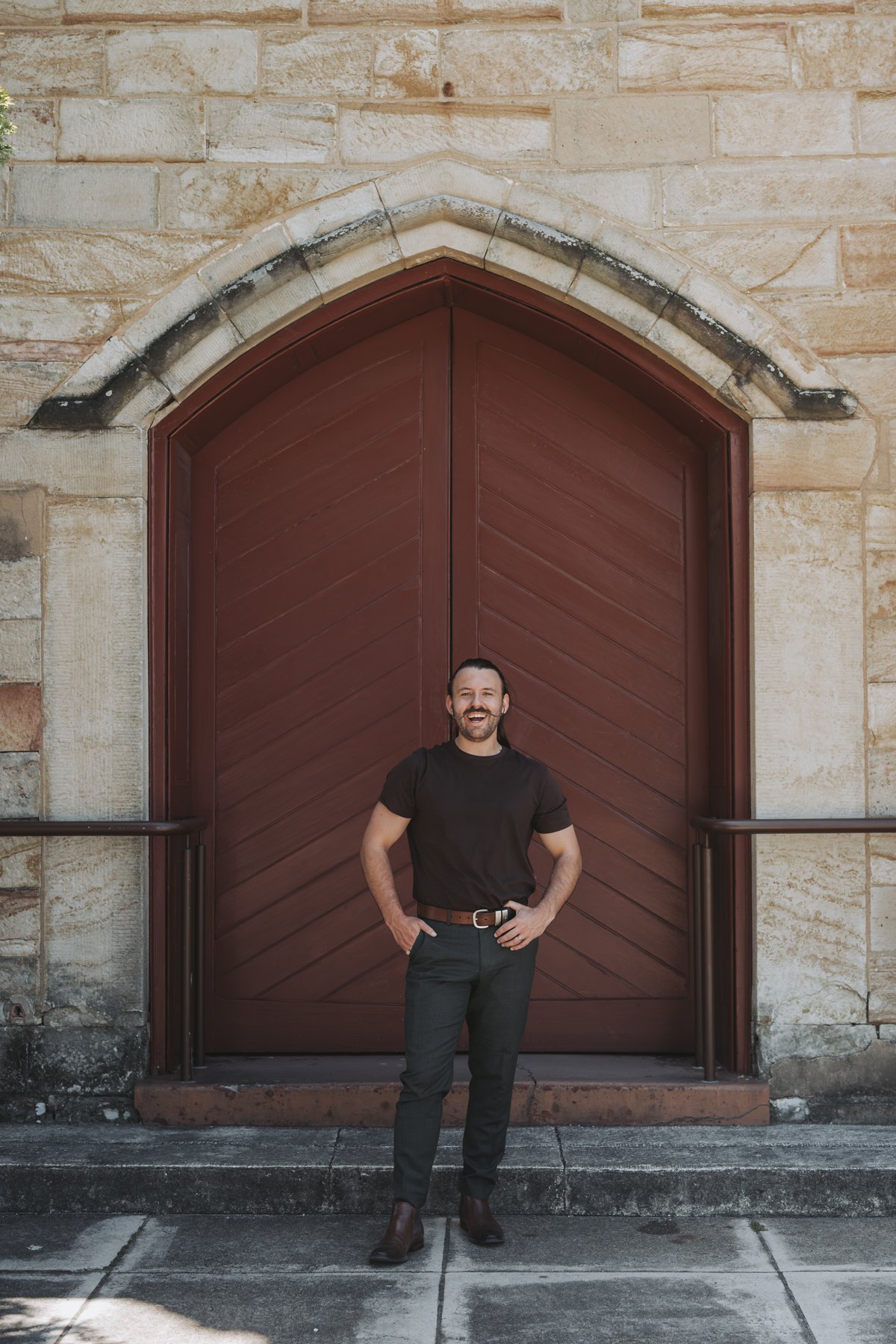
Joshua works integratively, drawing from a range of evidence-based approaches. Rather than applying a single model, therapy is tailored to what best supports you.
Foundational & Relational Approaches
(How safety, trust, and collaboration are established)
Person-Centred Therapy (PCT)
A relational approach grounded in empathy, authenticity, and respect, supporting your natural capacity for growth and self-direction.
Trauma-Informed Integrative Therapy
A flexible framework that prioritises safety, choice, and collaboration, allowing therapy to respond to the whole
person rather than a single model.
Skills, Regulation & Coping
(Tools to stabilise, regulate, and get through day-to-day challenges)
Cognitive Behavioural Therapy (CBT)
Supports understanding the relationship between thoughts, emotions, and behaviours, and developing more helpful ways of responding to challenges.
Dialectical Behaviour Therapy (DBT-Informed)
Focuses on emotional regulation, distress tolerance, and navigating relationships more effectively.
Mindfulness-Based Therapy
Encourages present-moment awareness and non-judgement, often incorporating breath work to support emotional regulation and clarity.
Insight, Meaning & Identity
(Making sense of experience once steadier footing is in place)
Narrative Therapy
Supports understanding how personal stories shape identity and experience, and offers space to re-author those stories in more empowering and aligned ways.
Existential / Meaning-Based Work
Explores questions of meaning, identity, choice, and responsibility, particularly during periods of transition or uncertainty.
Timeline Therapy
Involves exploring past experiences to help release unhelpful emotional responses or limiting beliefs that may be influencing the present.
Change, Direction & Action
(Supporting movement toward goals and values)
Motivational Interviewing (MI)
A collaborative, goal-oriented approach that helps strengthen motivation and confidence for change, particularly when feeling stuck or ambivalent.
Solution-Focused Brief Therapy (SFBT)
A future-focused, strengths-based approach that supports practical goal-setting and momentum toward change.
-
Counselling with a non-psychologist is not currently Medicare-rebatable. Some private health funds offer rebates for counselling — check your extras cover. Many clients find the cost comparable to or less than other regular health expenses.
-
That's okay — you're never locked in. The free consultation exists so you can get a feel before committing to anything. If after a session or two it doesn't feel right, we'll talk about that honestly.
-
You don't need to be in crisis to benefit from support. Most people who come to counselling aren't — they're just carrying something they're tired of carrying alone.